From the Gilded Age to modern-day: The rich history of the celebrity Blind Item
 - Tomas Kauer - International News Writer and Moderator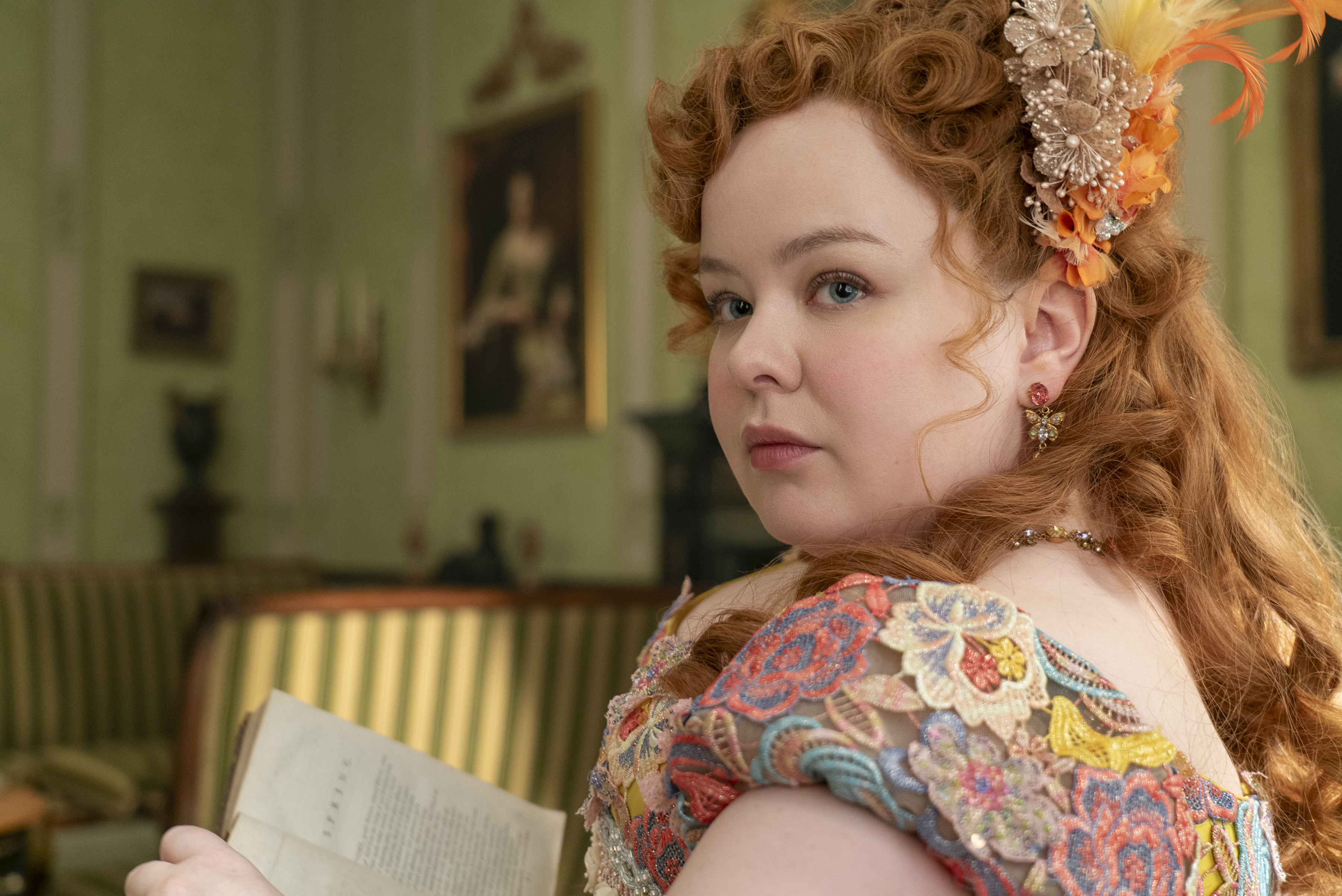
Dearest gentle reader, the fact is – though some may be loathe to admit it – we're all of us partial to a juicy morsel of gossip.
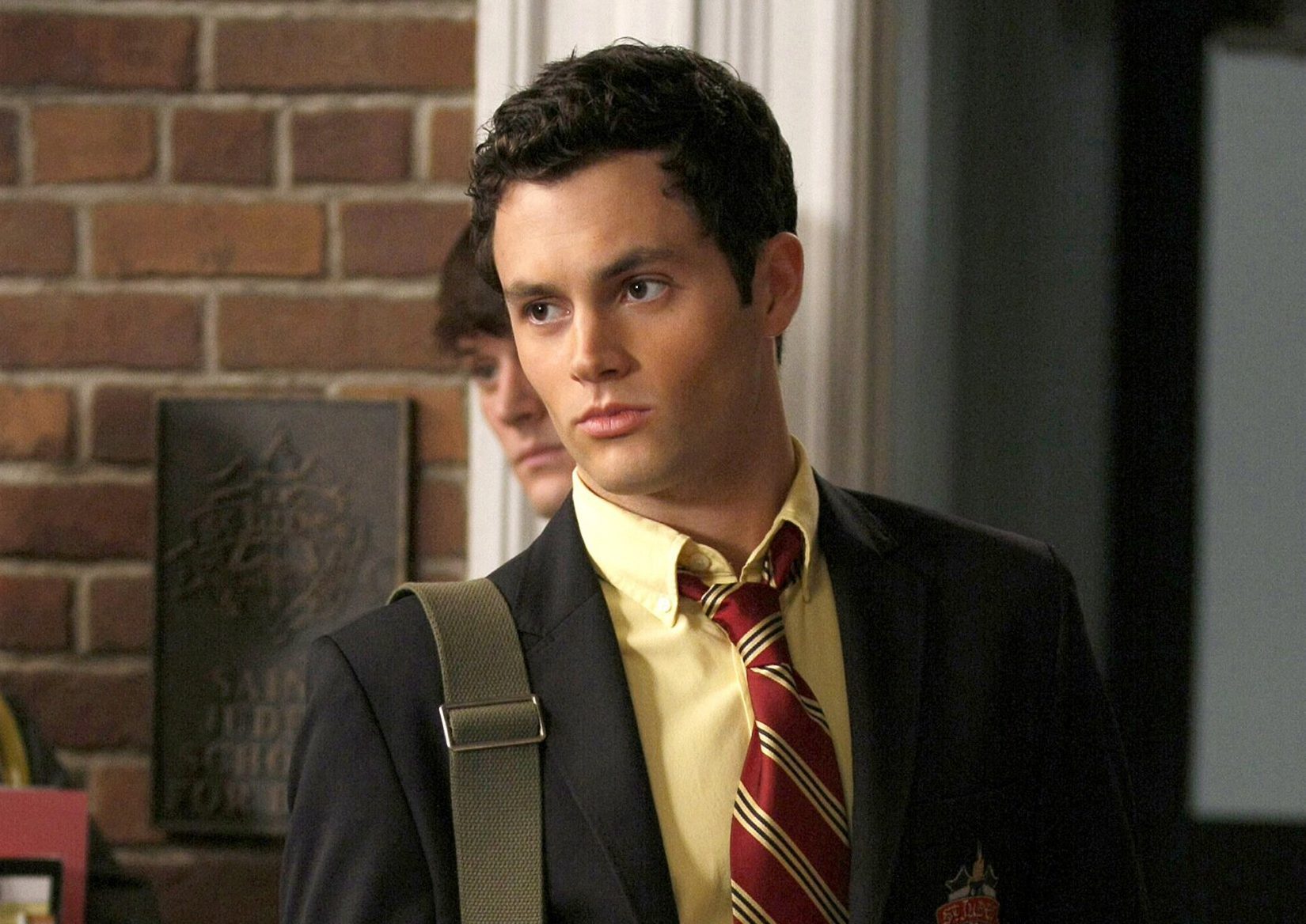
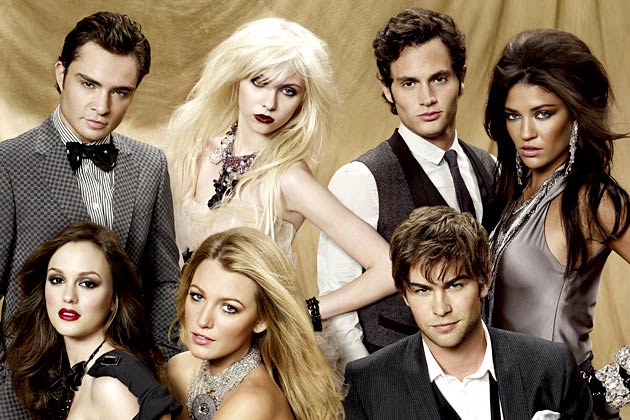
We've seen the same archetype woven through popular culture time and time again; the omniscient Gossip Girl, Pretty Little Liars' vindictive 'A' and of course, the eternally sharp-witted Lady Whistledown of Bridgerton.
The premise of an anonymous, vigilante rumourmonger tormenting the elite is an enduring favourite for a reason. But perhaps lesser-known than its fictional counterparts is the real-life concept on which these characters were based.
Want the official inside scoop on MAFS, unfiltered and unseen? Watch After The Dinner Party here.
Enter: The 'blind item' – an enduring fixture across awards season and beyond that has served to captivate audiences for over 130 years.
Prior to one pivotal pandemic doom-scroll circa 2020, the very concept had flown entirely under my radar.
But as fate would have it, the powers that be (or rather, the Tiktok algorithm) saw fit to sign, seal and deliver content from a creator by the name of @celebriteablinds_ directly to my For You page.
READ MORE: 'Devastated': Hitmaker dead at 86
READ MORE: Prince Harry's awkward reaction to question about Andrew
READ MORE: The Wire star, 62, dies after tragic barn fire
What is a 'Blind Item'?
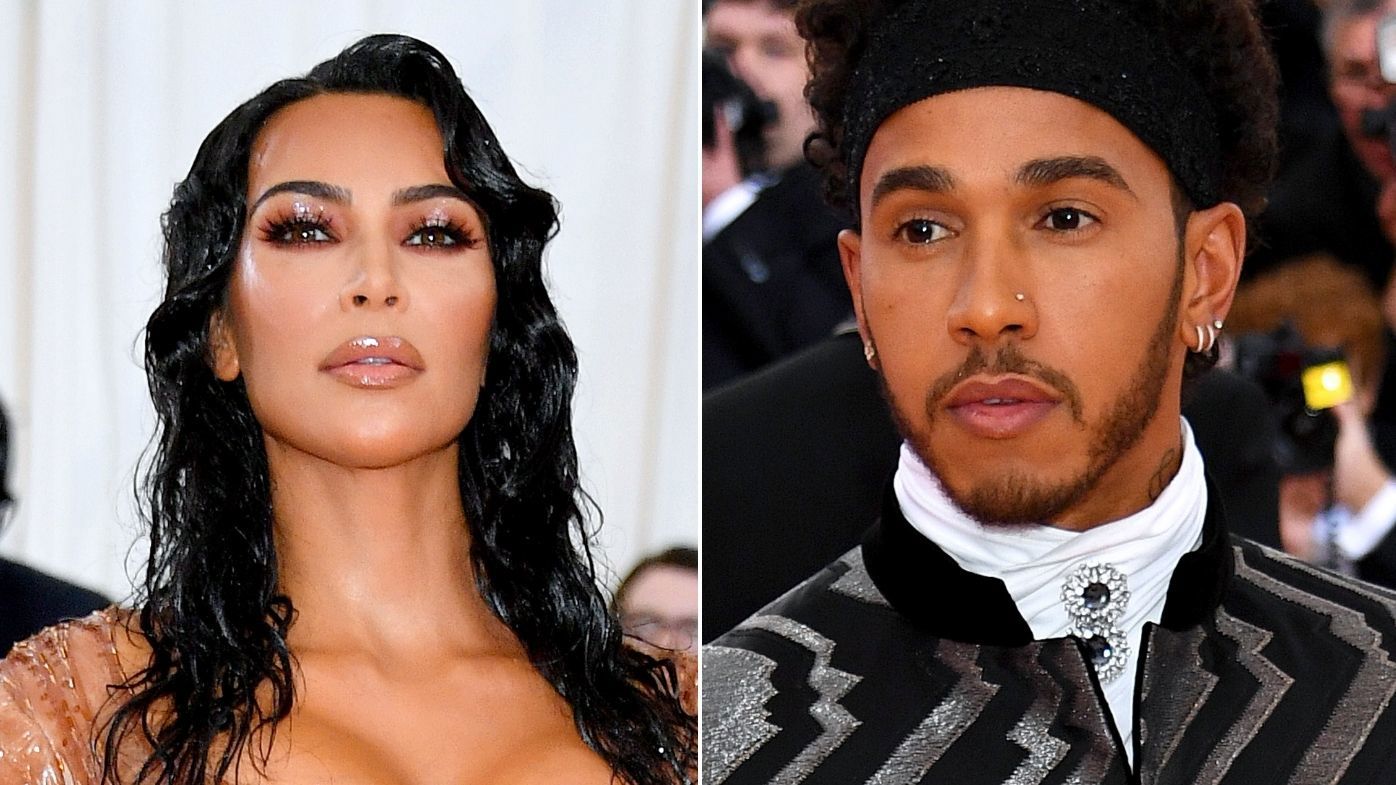
Defined as sordid snippets detailing the alleged escapades of Hollywood's elite – the key element at play is "blind" anonymity.
In essence; the oft-sketchy details are released, while the identities of those involved are intentionally not.
It's then up to us – the readers – to speculate, discuss and fill in the blanks as we see fit, until industry insiders come forth to reveal the names of those they believe to have been involved.
It's this highly interactive framework that has gradually lead the blog behind the blind items to cult status amongst celebrity dirt devotees.
And to think, the modern-day resurgence of this phenomena began one afternoon over 20 years ago, when a then-37-year-old Californian opted to lead a double life.
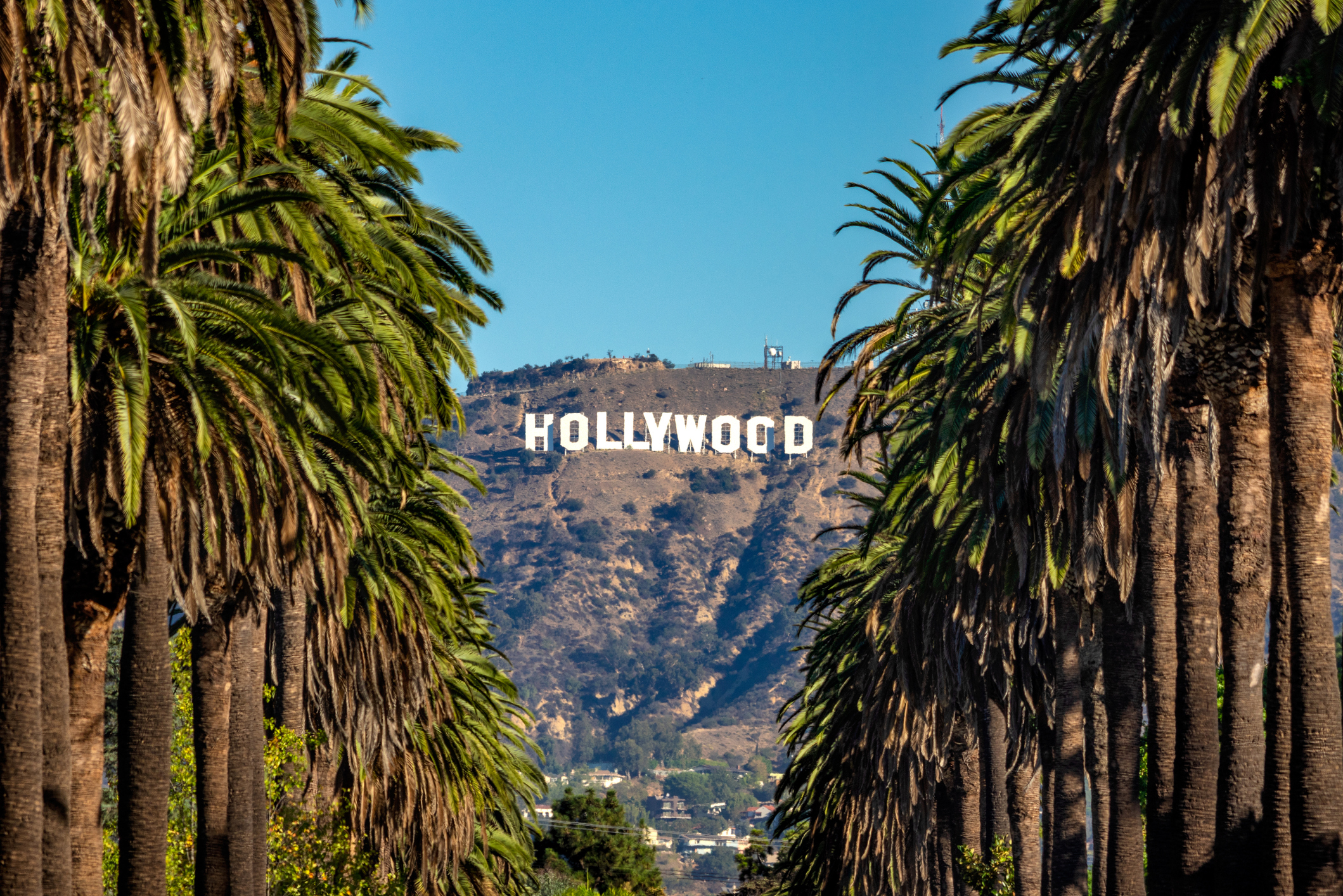
Known by subscribers as alias "Enty Lawyer" or simply "Enty," this individual operated gossip blog Crazy Days and Nights anonymously from 2006 onwards, before being outed by a slighted mistress as California-based attorney John Robert Nelson in 2024.
Speaking to Medium prior to this in 2012, Nelson discussed the legitimacy of the items we so readily consume.
"I would say 75 per cent is solid stuff and the other 25 per cent is so-so on trustworthiness," Nelson admitted.
But despite allegations of fabricated stories, Nelson and his veritable rumour mill persist.
As a means to strategically dodge lawsuits, he implements the use of nicknames, codes and a riddle-like structure into each blind item to aid readers in identifying those featured.
And owing to the State of California's so-called 'anti-SLAPP' law, they are difficult for public figures to legally challenge.
"It is the editors and owners of this magazine that are trying to, for whatever reason, convince the world that this permanent A list rapper is a billionaire. Not even close," one such item reads; vague, though still containing enough detail for the eagle-eyed reader to put two and two together.
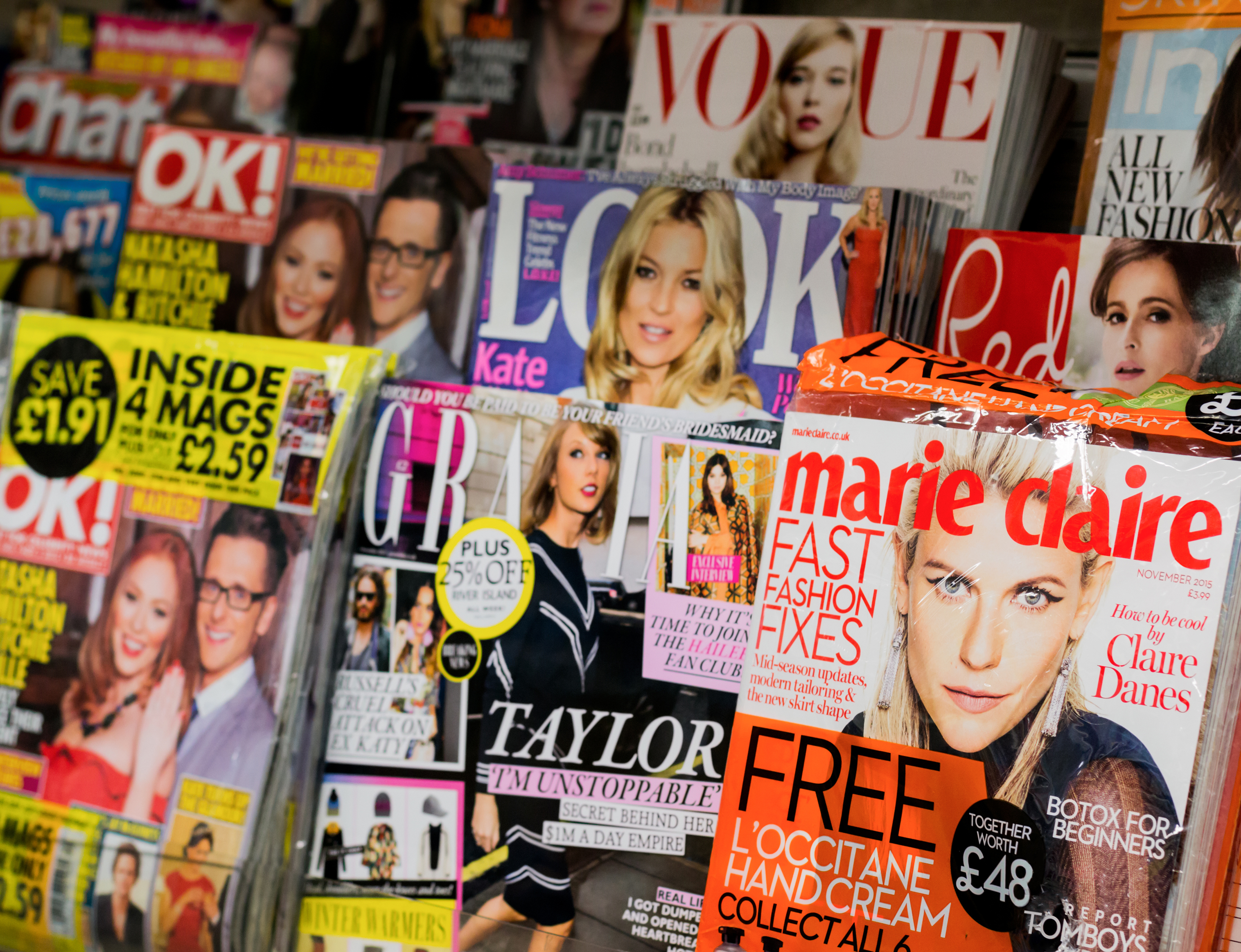
The anonymity lends itself to the blog's salaciousness, essentially functioning as a "black market" of gossip set apart from the likes of TMZ, Page Six or US Weekly.
Admittedly, the concept besmirches the name of journalism in every possible way – and on principle alone, I should hate them.
But yet, many blind items have proven to have a ring of truth, at times outing Hollywood's 'open secrets' with surprising accuracy.
For a daily dose of 9honey, subscribe to our newsletter here.
Is there any weight to it?
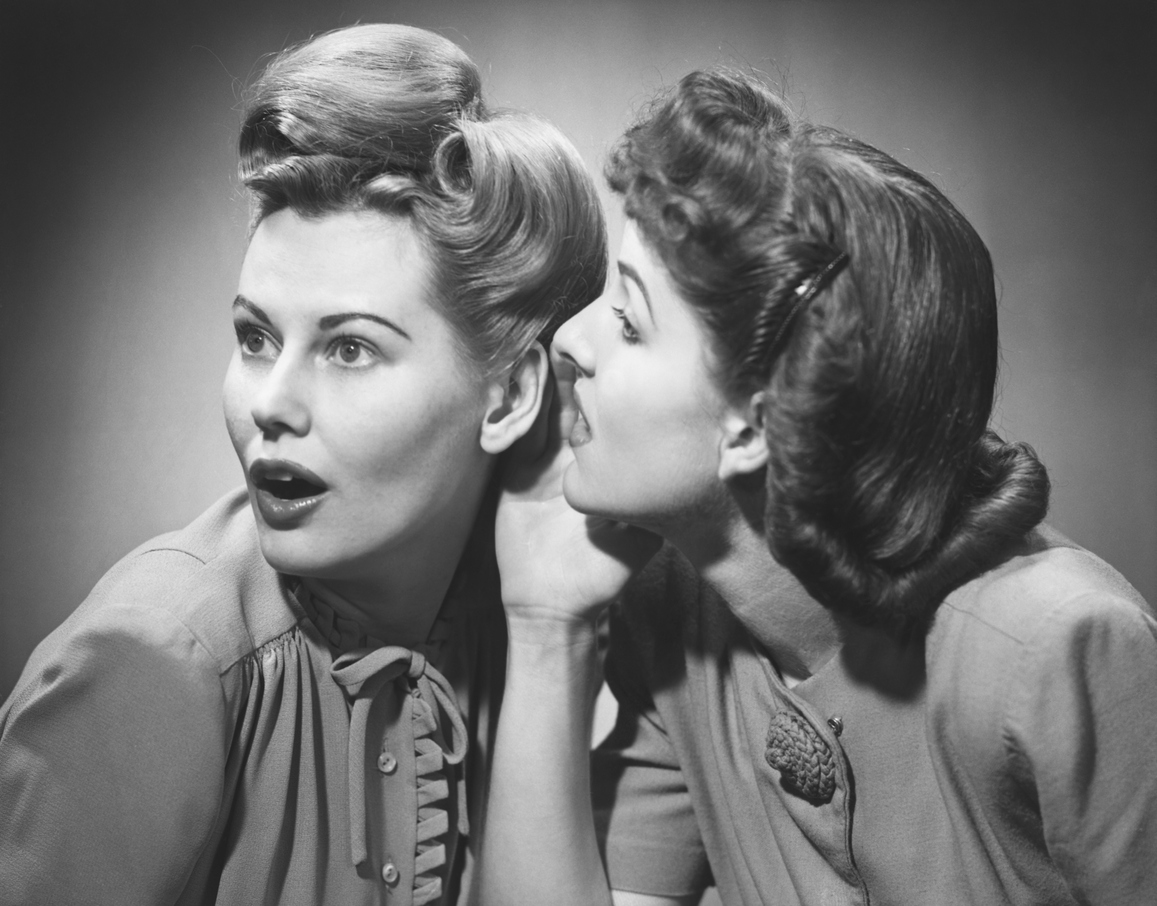
Many claims to be found in blind items often remain unverified, with public discourse suggesting a significant portion may be fabricated – or at the least, exaggerated.
But as it happens, items once dismissed as basement-dwelling fanfiction have, in several high-profile cases, become the blueprint for high-profile investigative journalism.
Perhaps the most haunting example of such is the decade-long trail of blind items alluding to the misconduct of disgraced film producer Harvey Weinstein.
Long before the 2017 exposé from which the #MeToo movement emerged, gossip sites were filled with tales of a "predatory mogul" and sordid "casting couch" rituals.
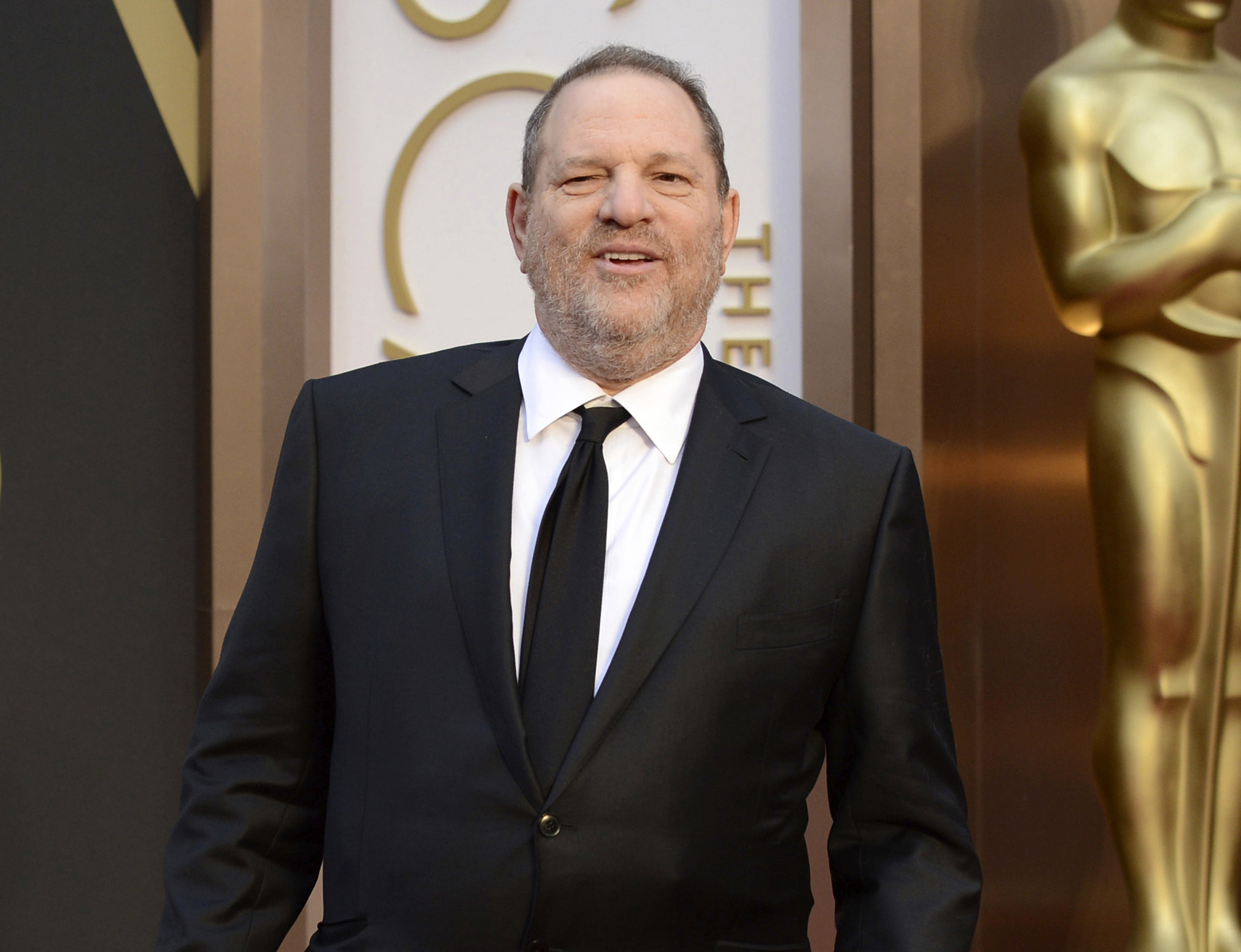
These items were so specific – with mentions of bathrobes, hotel meetings, and blacklisted actresses – that they functioned as an open secret among the Hollywood elite.
Similarly, the downfall of Ellen DeGeneres' "be kind" brand was prefaced by years of blind items describing a "toxic" workplace dynamic.
When a viral Twitter thread and subsequent BuzzFeed investigation finally confirmed these accounts in 2020, there had already been a documented paper trail detailing the allegations.
From documentation of the Kevin Spacey allegations (which were whispered about in blind items for nearly two decades) to the Lori Loughlin college admissions scandal; there certainly have been instances in which blind items have proved their mettle – despite the level of misinformation rife throughout.
From where did the concept first emerge?
Reminiscent of Lady Whistledown à la Bridgerton, the inception of the fabled 'blind item' can largely be attributed to – most surprisingly – an American Civil War hero in the late 19th Century.
The adoptive publisher of society gossip column Town Topics: The Journal of society in 1891, William d'Alton Mann, according to the New York Times, was the force behind "a scandal sheet of a brazenness never equalled since."
Its prominent status within the Gilded Age's volatile print market was credited solely to its gossip column Saunterings – a hugely popular sheet which Mann penned under the pseudonym 'the Saunterer.'
However, a far cry from harmless gossip, then-blind items were used for far more sinister means.
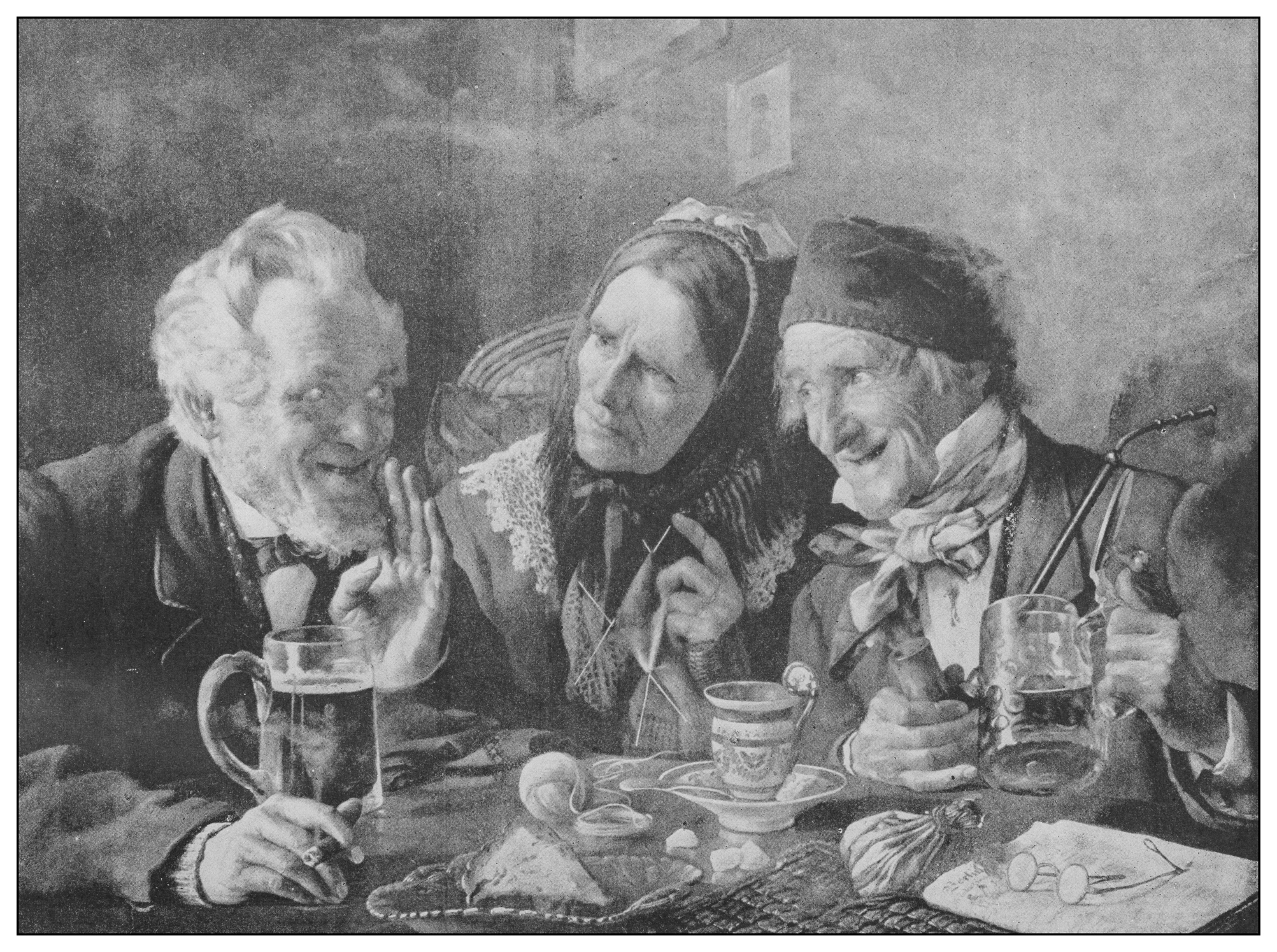
Unlike its entertainment-driven contemporary equivalent; Town Topics was a tool by which to blackmail wealthy New York City socialites in the Gilded Age.
Mann utilised the very first blind items to hint at secrets and force targets to buy advertising or subscriptions to suppress undesirable stories.
But over the course of a century, Town Topics gradually evolved beyond its ominous Gilded Age origins, re-emerging on the celeb-strewn streets of Hollywood in 2006 with a brand-new moniker.
The format evolved, popularised by Crazy Days and Nights and 'real-life Gossip Girl' Deux Moi into the modern, entertainment-centric equivalent we know and love today.
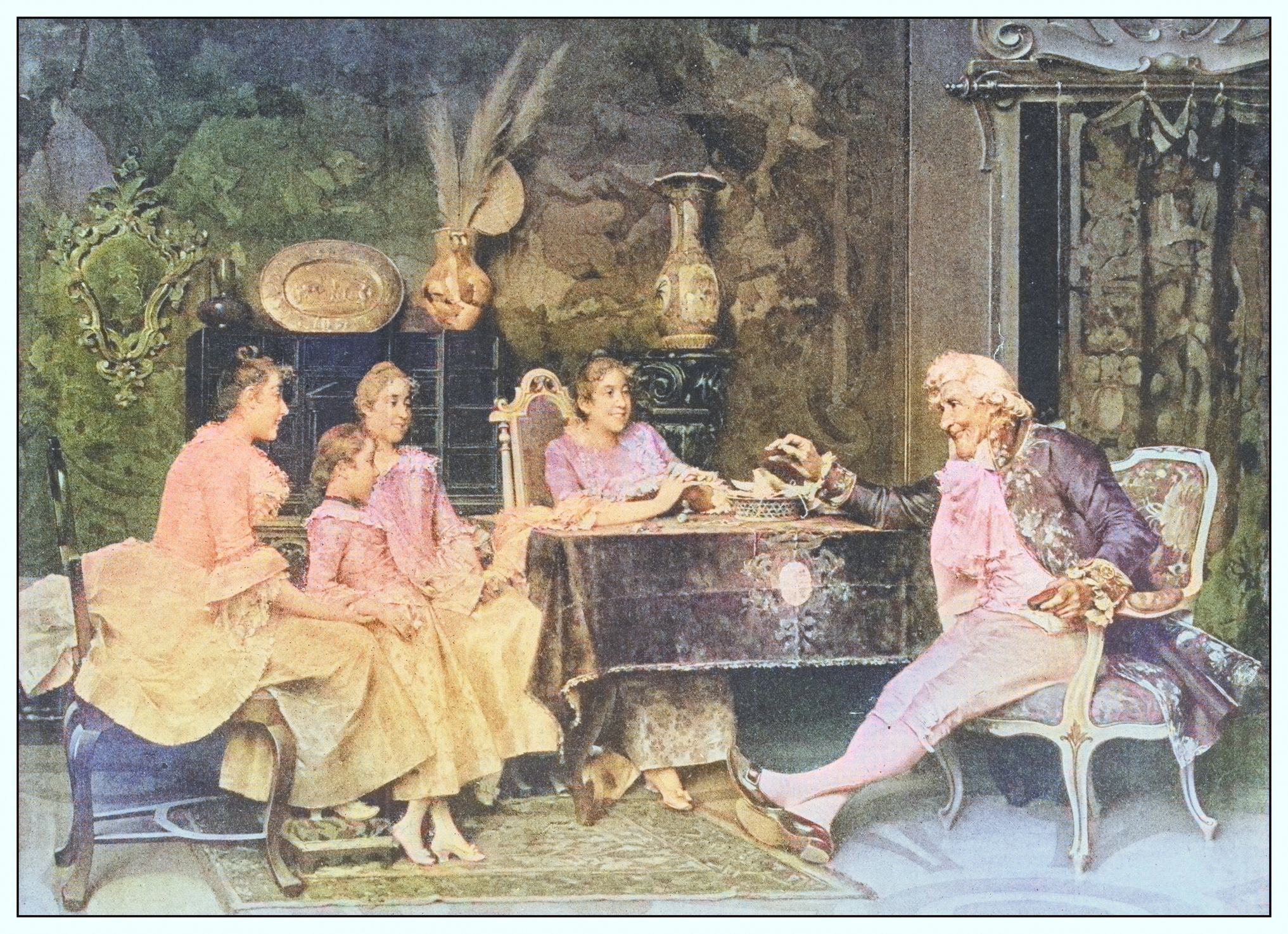
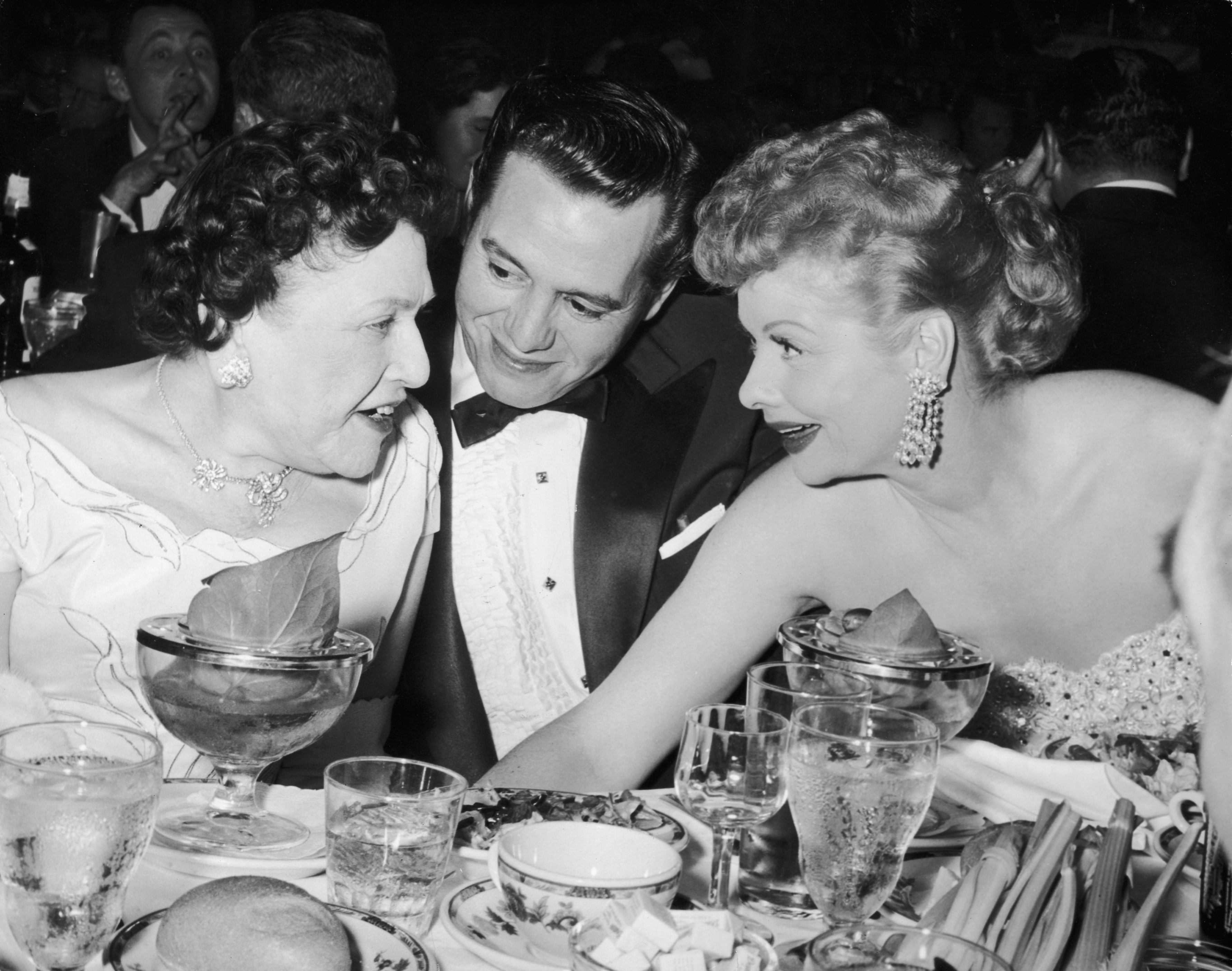
But in a broader sense, humanity's penchant for anonymous gossip can be traced as far back as classical times – evidenced by the ample examples of rumours and mockery scrawled across stone by busy-bodied Ancient Greeks.
You read that right; not only were they the harbingers of democracy – they were also collective suckers for a good bit of goss.
From graffitied accusations along the lines of "Nikasitimos was here mounting Timiona," to targeted slander intended to damage the reputation of philosophers, the very same proclivity for gossipmongering was present from the cradle of western civilisation.
The enduring nature of gossip spans millennia – which begs the question; what is it that has humanity so long-enraptured with the concept?
Why do we care?
Oh, the Schadenfreude of it all.
For many (nay, most), celebrities embody an unattainable standard of wealth and beauty.
Blind items, in this sense, serve as the great equaliser between 'us and them'.
The so-called "moral levelling" resulting from airing the dirty laundry of the elite stems from an innate need to hold the powerful to account.
According to FBI behaviour analyst John Schafer Ph.D, it's that very real sense of power that proves the driving force behind our fascination with hearsay.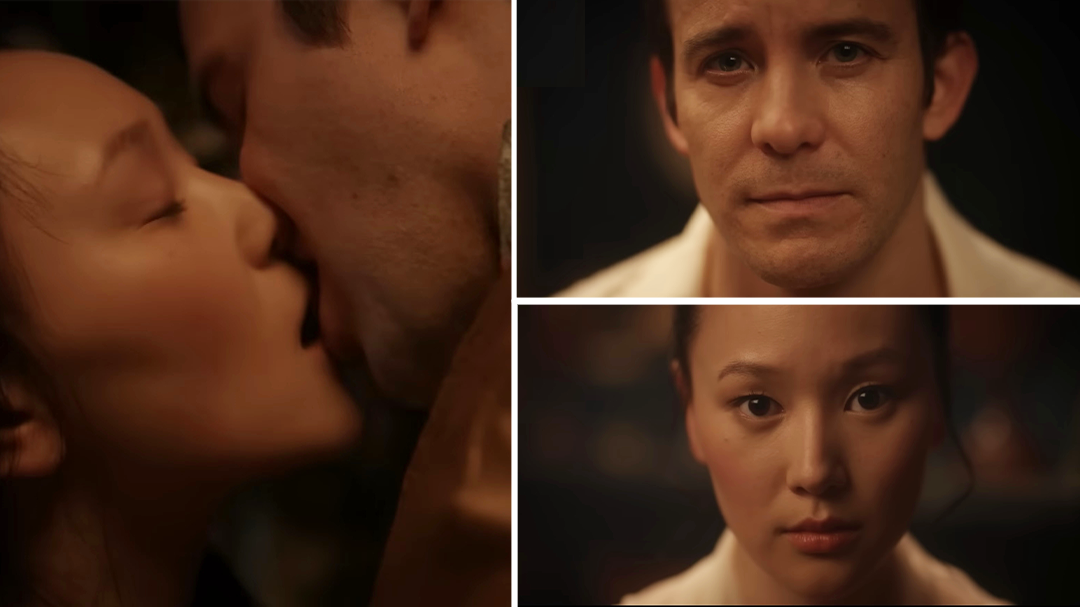
"If knowledge is power, gossip is turbocharged power," he says.
Human behaviour specialist Hayden Brown shares this sentiment, telling Nine.com.au that gossip as a concept is not only a matter of power – but of human evolution.
"Humans evolved in small tribes where social information was critical," Brown says.
"Knowing who had status, who had betrayed trust, or who was behaving unpredictably helped groups regulate themselves. Gossip was once a form of social currency."
"A fascination with blind items and celebrity drama can also tap into several deep human drivers," he adds.
"Historically, gossip was survival information."
Evidently, that same instinct has gradually wormed its way into modern-day celebrity gossip culture today – even if the perceived social threat is simply a B-list actor disrespecting waitstaff in West Hollywood.
FOLLOW US ON WHATSAPP HERE: Stay across all the latest in celebrity, lifestyle and opinion via our WhatsApp channel. No comments, no algorithm and nobody can see your private details.