How AI Is Quietly Taking Over the Boring Parts of Business
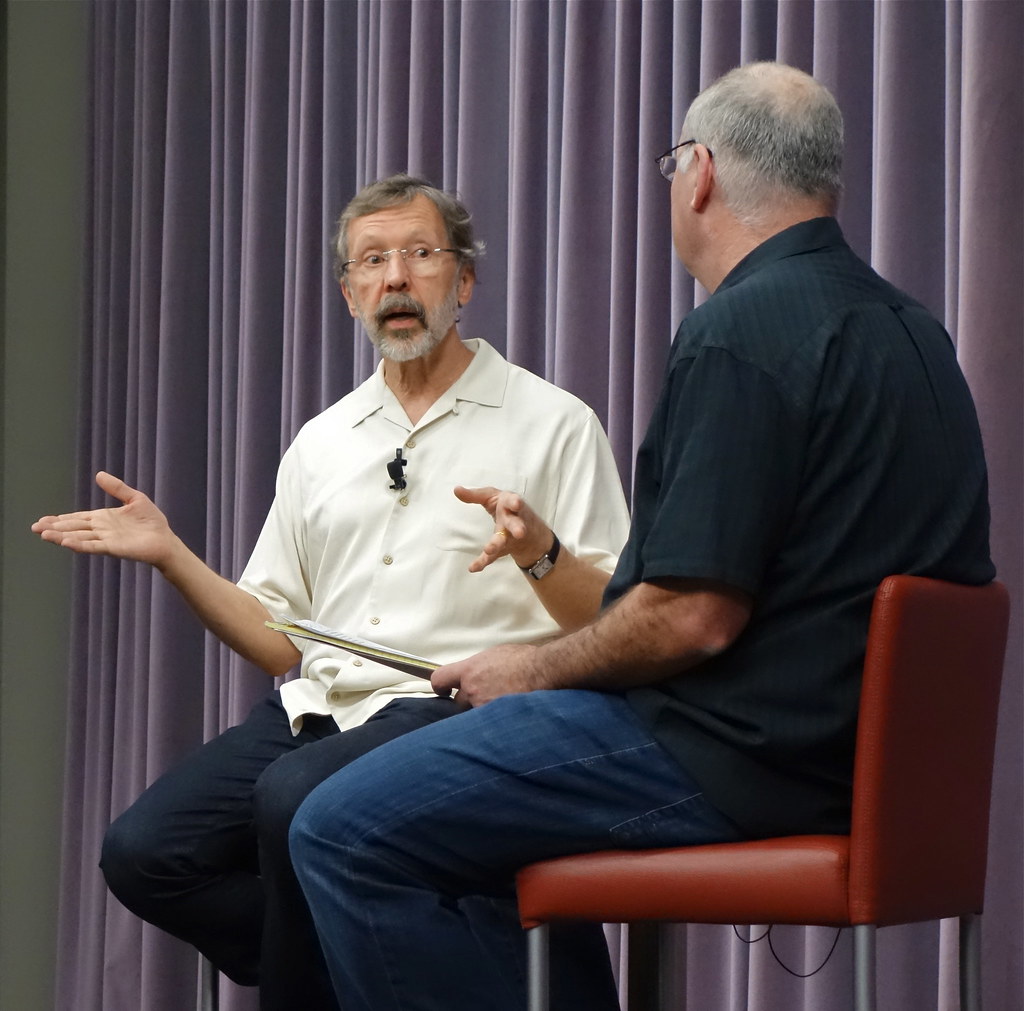
 Tomas Kauer - Moderator
Nobody got into business to spend their afternoons chasing invoice approvals or manually updating spreadsheets. But for a long time, that’s exactly what happened. Repetitive, low-value tasks ate into the working day, and the people doing them didn’t have much choice.
That’s starting to change. AI has quietly moved into the parts of business that nobody particularly wanted, and it turns out it’s pretty good at them. There’s more going on here than a few productivity hacks, so carry on reading to see where it’s actually making a difference.
What AI Does Well in an Office Context
The tasks AI handles best aren’t the creative or strategic ones. They’re the rule-based, repeatable jobs that follow a predictable pattern. Think matching purchase orders to invoices, routing approval requests to the right person, or pulling data from one system and putting it somewhere else.
These tasks aren’t complex, but they take time and they’re easy to get wrong when a person is doing them on their fifth hour of a Tuesday. AI doesn’t get tired and doesn’t lose concentration. It also doesn’t need to be reminded.
Data Entry: The Task Everyone Hates
Data entry is probably the most universal example. Almost every business has it in some form. Information arrives from various sources and someone has to make sure it ends up in the right place in the right format.
AI-powered tools can now extract data from documents, validate it against existing records and flag anything that looks off. What used to take a member of staff an hour can happen in seconds. It’s not glamorous, but it frees up time for work that actually requires human judgement.
Scheduling Without the Back-and-Forth
Scheduling is another one. Coordinating a meeting between four people across two time zones used to mean a chain of emails that somehow ended with someone double-booked. AI scheduling tools connect to calendars, identify available slots and handle the whole thing without any back-and-forth.
For larger organisations, this extends to workforce scheduling, resource allocation and even predicting when a team is likely to be under pressure. The AI doesn’t need to ask anyone. It just looks at the data and makes a recommendation, or in some cases, makes the decision outright.
How Procurement Got Automated
Procurement is where things get particularly interesting. In most companies, buying something involves a surprising number of steps: a request goes in, it needs approval from one or more people, a purchase order gets raised, a vendor gets contacted, a contract gets signed, an invoice gets matched and paid. Each of those handoffs is a potential delay.
Companies that automate procurement workflows are cutting those delays significantly. Instead of a request sitting in someone’s inbox waiting to be noticed, the system routes it automatically based on pre-set rules. Spend thresholds, department policies and risk checks are all built into the workflow. The right people get notified at the right time, and nothing gets lost between steps.
This also creates a proper audit trail. Every action is logged, which makes compliance checks much easier and gives finance teams the visibility they usually have to chase for.
Where Human Involvement Still Makes Sense
AI handling the routine parts of procurement doesn’t mean removing people from the process entirely. Strategic sourcing decisions, supplier relationships and contract negotiations still need human input. What changes is how much time those people spend on administrative work before they get to the part that actually matters.
A procurement manager who used to spend half their week chasing approvals can spend that time on supplier analysis or cost reduction instead. The work becomes more interesting and, arguably, more valuable to the business.
The Knock-on Effects Are Real
When repetitive tasks are automated, a few things tend to happen across the business. Errors drop, because there’s less manual handling. Cycle times shorten, because requests don’t sit waiting for someone to pick them up. And teams get a clearer picture of what’s happening, because the data is being captured consistently rather than spread across inboxes and spreadsheets.
None of this requires a dramatic overhaul. Many businesses start by automating one or two specific workflows and build from there as they see results.
The Important Takeaway
AI isn’t transforming business by doing extraordinary things. It’s transforming it by doing the ordinary things faster, more consistently and without complaint. Data entry, scheduling, procurement sign-offs are the tasks that quietly drain time and create friction. Handing them over to AI doesn’t take anything important away from the people involved. It gives them their time back.
The post How AI Is Quietly Taking Over the Boring Parts of Business appeared first on Entrepreneurship Life.